Robotics workbench
A robot is not one thing. It is the decisions between its parts.
RNV1 is the field-oriented project that keeps sensing, local compute, control, recovery, and operator visibility in the same engineering conversation.
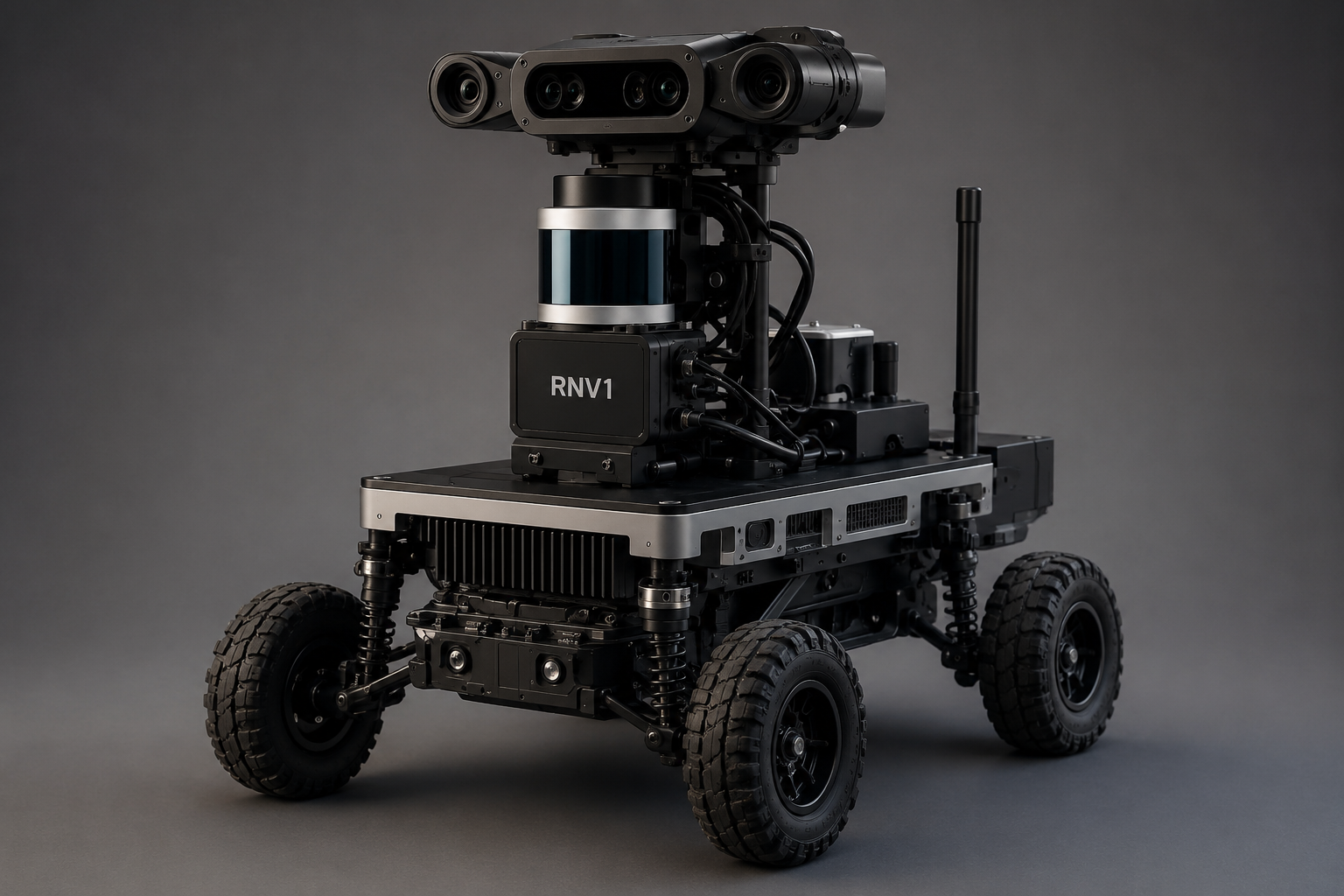
System boundaries
Every layer has a different failure mode.
Camera and environmental input
Local processing and system state
Actuation, recovery, and safe behavior
Visible state and accountable intervention
The AES operating loop
The difficult part is usually the handoff.
Between a sensor and a decision. A workflow and a person. A model and a device. We make those seams visible before asking a system to carry more responsibility.
- 01
Observe
Find the workflow, signal, condition, or failure that actually matters.
- 02
Decide
Make the model, rule, operator handoff, and data boundary explicit.
- 03
Act
Put the smallest useful software or physical system in the real operating loop.
- 04
Verify
Keep state, results, limits, and the next test visible to the people responsible.
Technical note
Useful intelligence belongs near the conditions it must understand.
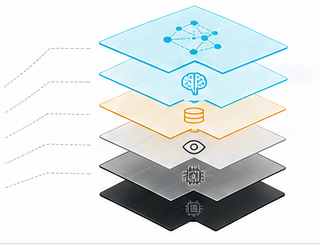
The illustration shows the kind of boundary work that matters: physical signals, local decisions, operator controls, and a log that can explain what happened later.
Illustrative architecture plate. It is not a claim of completed RNV1 hardware.